
Propriedades e aplicações do polivinil butiral (PVB)
Apr 17, 2026
Resina de polivinil butiral (PVB)
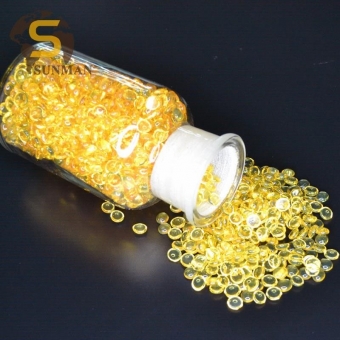
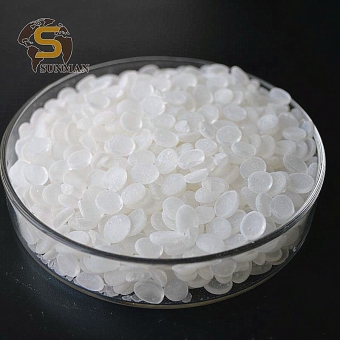
O PVB é um polímero termoplástico insolúvel em água, conhecido por suas excelentes propriedades de ligação e formação de filmes. Ele se dissolve facilmente em uma ampla gama de solventes orgânicos e apresenta boa compatibilidade com muitos outros polímeros. Com elasticidade superior e transparência óptica, o PVB é adequado para diversos usos industriais. Estão disponíveis graus de alta e baixa viscosidade, com temperaturas de transição vítrea ajustadas para aplicações específicas. A estabilidade pode ser ainda mais aprimorada por meio de reticulação. Como resultado, o PVB serve como um aglutinante fundamental em tintas, primers, adesivos, pós metálicos e cerâmicas, bem como uma camada intermediária em vidros de segurança laminados, tornando-o indispensável em vários setores industriais.
Campo de aplicação:
Primer de lavagem
O primer de lavagem à base de PVB é amplamente utilizado em superfícies metálicas, como tanques de armazenamento, navios, aeronaves, pontes, eclusas de barragens e aparelhos eletrônicos. Comparado aos materiais convencionais, oferece proteção superior contra corrosão, melhor adesão, secagem mais rápida e aplicação mais fácil. A forte ancoragem é alcançada por meio de uma interação complexa de resina sintética, pigmentos, ácido fosfórico e íons metálicos.
Revestimentos de folha
A aplicação de solução de PVB em folhas metálicas (por exemplo, alumínio, latão, estanho, chumbo, ferro) melhora a resistência mecânica, a resistência à umidade e a imprimibilidade. A adesão pode ser ainda mais aprimorada por meio de cura em estufa a temperaturas de até aproximadamente 140 °C.
Tintas para madeira
O PVB é amplamente utilizado em seladores e acabamentos para madeira, conferindo-lhe resistência, flexibilidade e resistência a impactos. Misturas comuns incluem PVB com resinas fenólicas, goma-laca ou nitrocelulose. Como selador de nós, impede a exsudação de terpenos e resinas.
Tintas para couro
Combinado com nitrocelulose e plastificantes, o PVB proporciona excelente adesão, alto alongamento e prevenção de rachaduras, mantendo a flexibilidade do couro.
Pintura em estufa
Misturas de PVB com resinas fenólicas, melamínicas ou ureicas são ideais para a cura de tintas em estufa. A adição de 5 a 25% de PVB à resina fenólica transforma uma película quebradiça em uma com boa flexibilidade, excelente nivelamento, superfície sem poros e maior resistência a álcalis.
Revestimentos em pó
A mistura de PVB com resinas epóxi melhora o revestimento das bordas e evita a pulverização.
Adesivos
Misturas de PVB e fenólicos unem metal, vidro, couro, madeira, tecido, papel e muito mais. Após a remoção do solvente, as superfícies são aquecidas e prensadas. Cura típica: 160 °C por 15 a 30 minutos.
Adesivos para placas de circuito impresso
Uma mistura de PVB e fenólico atende aos principais requisitos de adesivos para placas de circuito impresso: alta resistência ao descascamento, resistência à formação de bolhas e boas propriedades dielétricas, ideal para unir pré-impregnados fenólicos a folhas de cobre.
Tintas de impressão
O PVB é utilizado em tintas de rotogravura, tipografia e flexografia, oferecendo flexibilidade, forte adesão e resistência.
Adesivos termofusíveis
A fusão do PVB com plastificantes e resinas fundentes produz adesivos termofusíveis que formam películas resistentes e transparentes com boa força adesiva.
Ligantes cerâmicos
Em componentes eletrônicos de cerâmica, o PVB atua como um aglutinante, proporcionando resistência inicial aos pós cerâmicos antes da sinterização, para melhor estabilidade dimensional e trabalhabilidade.



 Rede IPv6 suportada